Entering the field of medicine is a commitment unlike any other. It demands years of study, discipline, and sacrifice, but the real journey begins after the training ends. The transition from student to practicing doctor reveals a reality that no classroom can fully prepare you for.
The first piece of advice is simple. Stay humble. No matter how much knowledge you acquire, medicine will continually remind you of its complexity. Patients will present in ways that challenge your assumptions. Situations will arise where certainty is not possible. Accepting this early will make you a better, more attentive physician.
Learn to listen. Not just to symptoms, but to people. Patients often struggle to explain what they are feeling. Their words may be unclear or incomplete. Your role is to interpret, to ask the right questions, and to uncover what truly matters. Strong communication builds trust, and trust is essential in patient care.
Understand that experience is your greatest teacher. Textbooks provide the foundation, but real learning happens in practice. Every case adds to your understanding. Every mistake, every success, and every unexpected outcome contributes to your growth. Be open to these lessons, even when they are difficult.
Do not hesitate to ask for help. Medicine is a team effort. There will be moments when you face uncertainty or complexity beyond your current level of comfort. Seeking guidance is not a weakness. It is a responsibility. Collaboration leads to better outcomes and strengthens your confidence over time.
Prepare for the emotional demands of the profession. You will witness suffering, loss, and moments that stay with you long after your shift ends. At the same time, you will experience relief, gratitude, and success. Balancing these extremes requires resilience. Find ways to process what you see, whether through reflection, conversation, or quiet moments away from the hospital.
Maintain perspective. Not every outcome will be within your control. Do your best in every situation, but understand that medicine has limits. Carrying every result as a personal burden will weigh heavily over time. Learn to reflect, adjust, and move forward.
Be mindful of your words. In high-pressure environments, it is easy to speak without thinking. What you say to patients and colleagues matters. Clear, respectful communication builds strong professional relationships and prevents unnecessary conflict.
Finally, remember why you chose this path. Medicine is demanding, but it offers a unique opportunity to make a meaningful impact. In moments of uncertainty, returning to that purpose can provide clarity and direction.
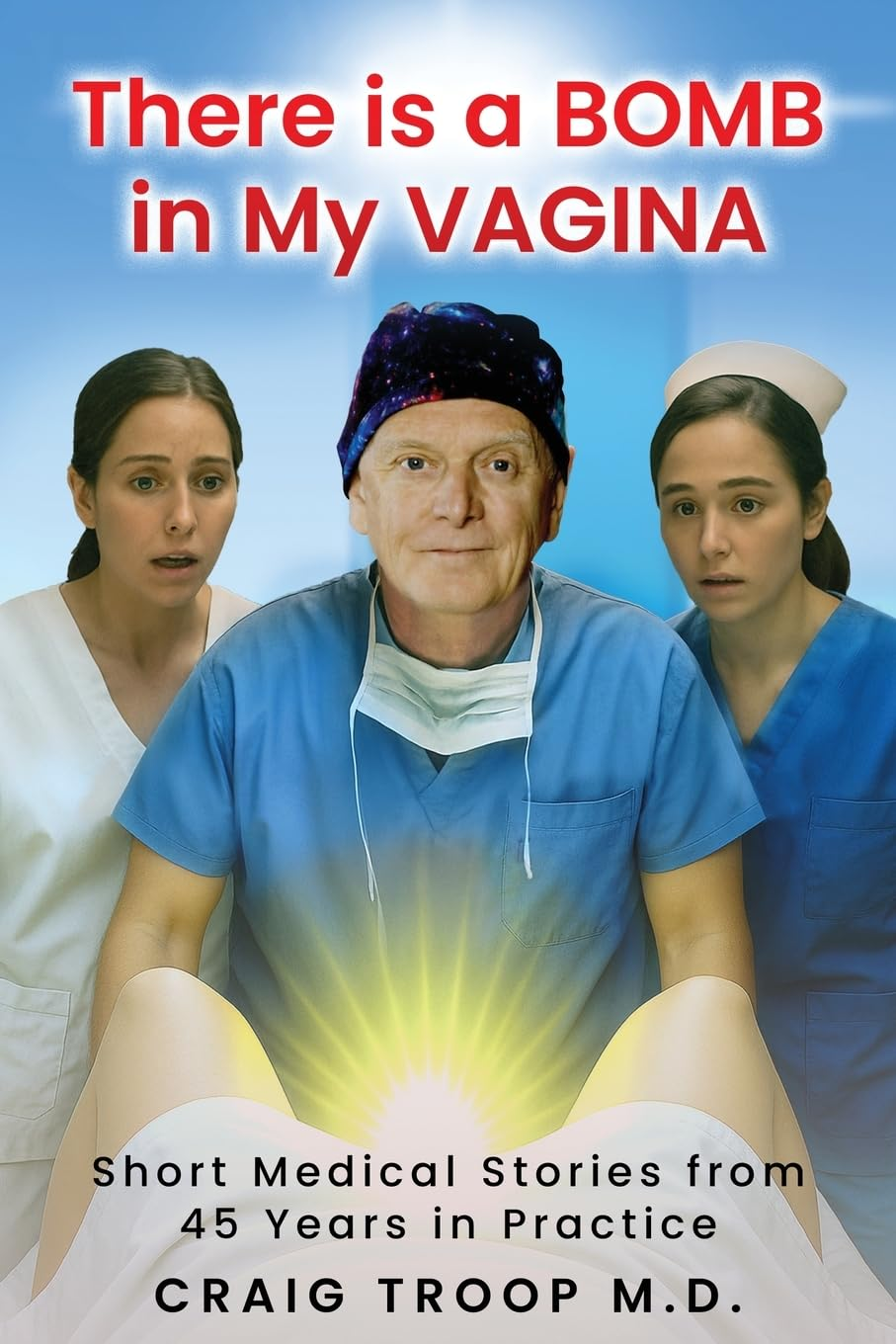
These lessons come to life in There is a Bomb in My Vagina: Short Medical Stories from 45 Years in Practice by Craig A. Troop M.D. Through decades of real-world experience, the book presents situations that go far beyond theory. It reflects the challenges, surprises, and realities that shape a medical career.
Each story offers insight into what future doctors may encounter, from unexpected patient interactions to critical decisions made under pressure. It is not a guidebook in the traditional sense, but it provides something equally valuable. A genuine look at what it means to practice medicine over time.
For those preparing to enter this field, this perspective is invaluable. It bridges the gap between learning and doing, showing how knowledge is applied in situations that rarely follow a predictable path.
In the end, becoming a doctor is not just about mastering information. It is about developing judgment, resilience, and the ability to navigate the human side of medicine with care and understanding.
Get Your Copy On Amazon: https://www.amazon.com/dp/196964446X/