Most people assume that a doctor’s job depends mainly on scientific knowledge. Years of education, complex procedures, and detailed medical information certainly play a role. But there is another side of medicine that is less visible. Doctors must learn how to listen carefully, stay calm under pressure, and communicate clearly with people who may be frightened or confused. These abilities are not always taught in classrooms. They develop slowly through real experience.
Listening Between the Words
Patients do not always describe their symptoms clearly. Some struggle to explain what they feel. Others may exaggerate or downplay their concerns.
A skilled doctor learns to listen beyond the exact words being spoken. Small details in a conversation can reveal important clues. Tone of voice, hesitation, and body language often provide information that a medical chart cannot.
This kind of listening takes patience. It also requires the ability to ask thoughtful questions without making a patient feel uncomfortable.
Reading the Room
Another skill doctors must develop is awareness of the people around them. In a hospital setting, a physician interacts with nurses, paramedics, family members, and other specialists. Each person brings their own concerns and perspectives.
A doctor must keep the situation organized while maintaining respect for everyone involved. When emotions run high, calm leadership becomes essential.
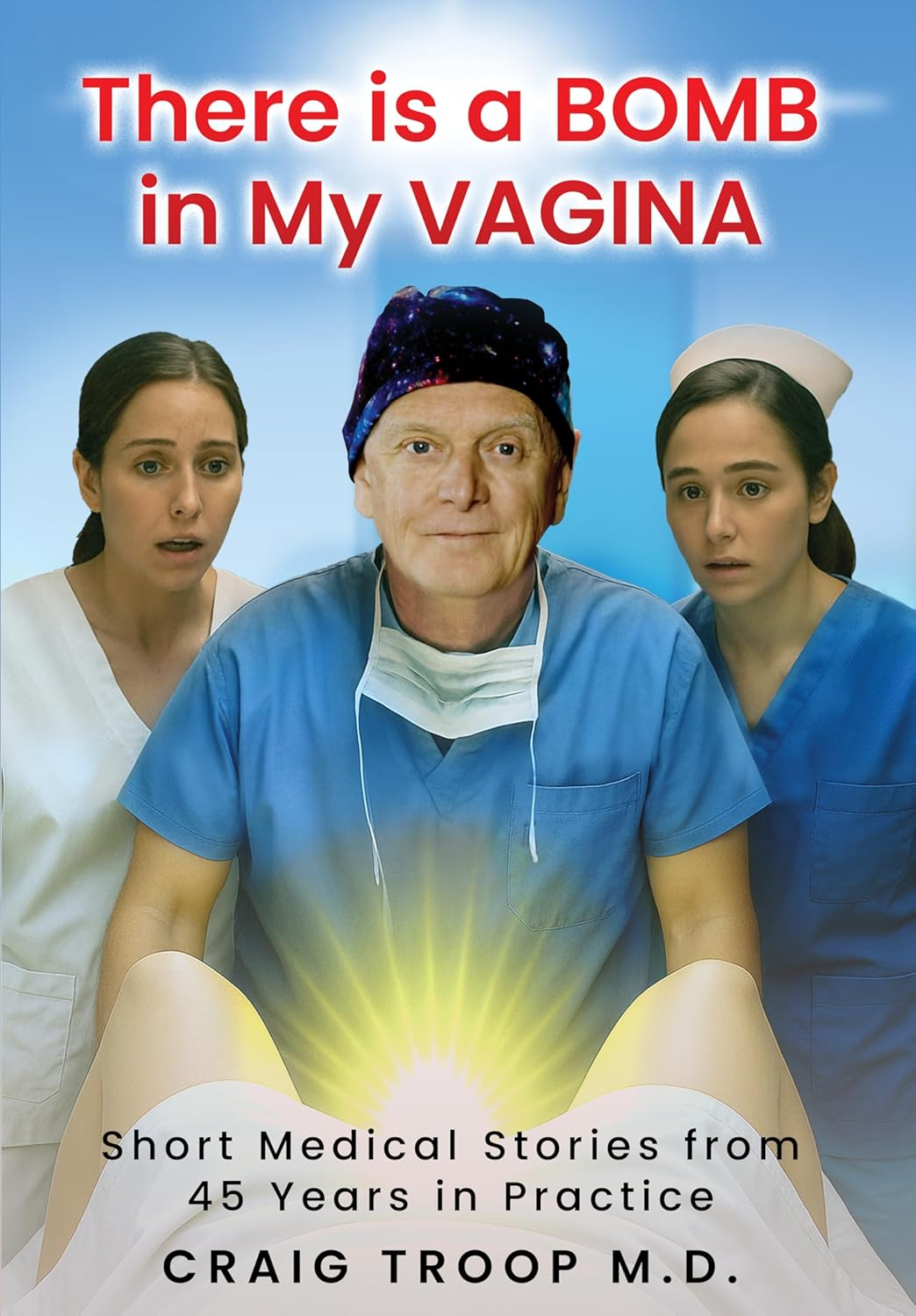
Craig Troop M.D. reflects on these moments throughout There is a Bomb in My Vagina: Short Medical Stories from 45 Years in Practice. His stories show how doctors rely on judgment and interpersonal skills just as much as medical training.
Knowing When to Pause
Quick decisions are sometimes necessary in healthcare, but rushing too quickly can lead to mistakes. Experienced physicians learn when to pause and reconsider a situation. Taking a moment to review symptoms or gather additional information can make a significant difference.
This ability often develops after years of practice. Early in their careers, many doctors focus heavily on textbook knowledge. Over time, they begin to understand that thoughtful observation is equally valuable.
The Human Side of Medical Work
Doctors are often expected to appear confident and composed at all times. Yet they face complex emotional situations regularly. Patients may arrive with fear about a diagnosis. Families may struggle to accept difficult news. Medical professionals must respond with empathy while still performing their duties.
Balancing these responsibilities requires emotional discipline. It is one of the least discussed aspects of healthcare.
When people think about medicine, they often picture technology and treatment. But much of a doctor’s work depends on human interaction, as the ability to listen, observe, and communicate effectively can shape the outcome of a patient encounter.
Readers who want to see how these skills appear in real situations will find many examples in There is a Bomb in My Vagina: Short Medical Stories from 45 Years in Practice by Craig Troop M.D. The book offers a rare look at the personal side of medical practice and the lessons learned over decades of experience.
What makes Dr. Troop’s memoir valuable is its honesty. It neither glorifies doctors as heroes nor reduces patients to mere cases. Instead, it shows medicine as a human exchange, full of imperfections, humor, frustration, and quiet moments of grace. The stories reveal how doctors stay functional not by becoming completely hardened, but by learning when to open up and when to protect themselves.
Explore this book now, available on Amazon: https://www.amazon.com//dp/196964446X